
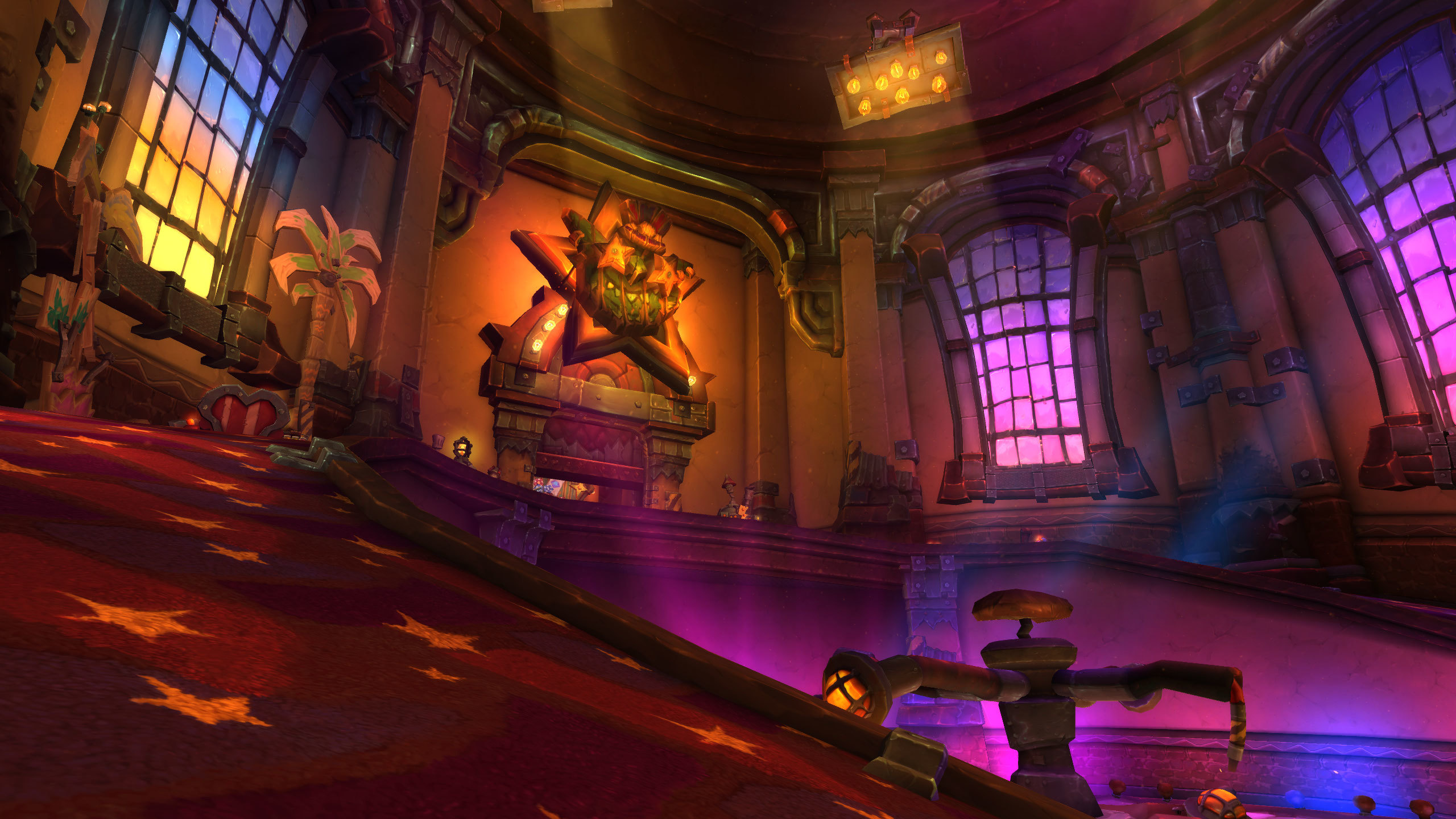
Raid encounter design has increasingly moved away from short burst-oriented checks and toward sustained pressure over extended phases. Instead of single moments deciding success, modern encounters test endurance, consistency, and long-term discipline.
Pressure Builds Gradually Instead of Spiking Suddenly
Rather than one explosive damage window, pressure ramps steadily. Movement demands, damage intake, and mechanic overlap increase over time, forcing players to manage resources carefully instead of dumping cooldowns all at once.
Cooldown Planning Extends Across Entire Phases
Cooldowns are no longer assigned to isolated moments. Groups map defensive and healing tools across long stretches, ensuring coverage remains consistent as pressure escalates. Poor early usage often leads to late-phase collapse.
Sustained Pressure Exposes Weak Fundamentals
Extended encounters punish inefficient movement, sloppy positioning, and resource waste. Small errors compound over time, making consistency more important than peak output.
| Design Focus | Burst-Oriented | Sustained Pressure |
|---|---|---|
| Win condition | Single damage window | Long-term execution |
| Cooldown usage | Stacked bursts | Distributed planning |
| Error impact | Immediate failure | Gradual collapse |
| Skill emphasis | Output timing | Endurance and control |
Consistency Becomes the Core Skill
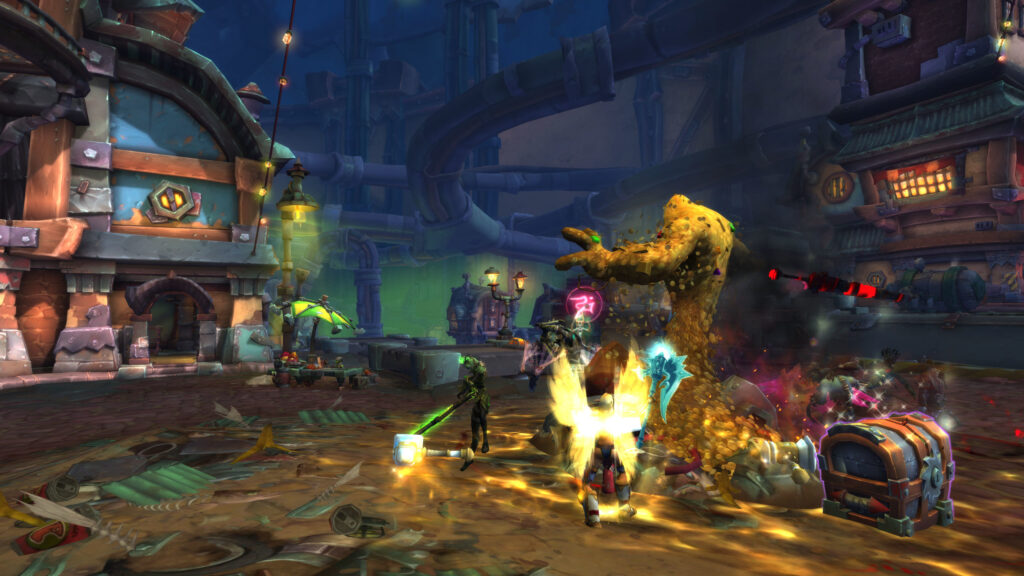
Encounters reward players who maintain focus for the full duration. Teams that stay disciplined under sustained pressure succeed more reliably than those relying on short power spikes.
Conclusion
Raid encounter design continues to shift toward sustained pressure instead of burst-oriented checks. This evolution emphasizes endurance, planning, and execution quality as the defining factors of raid success.