
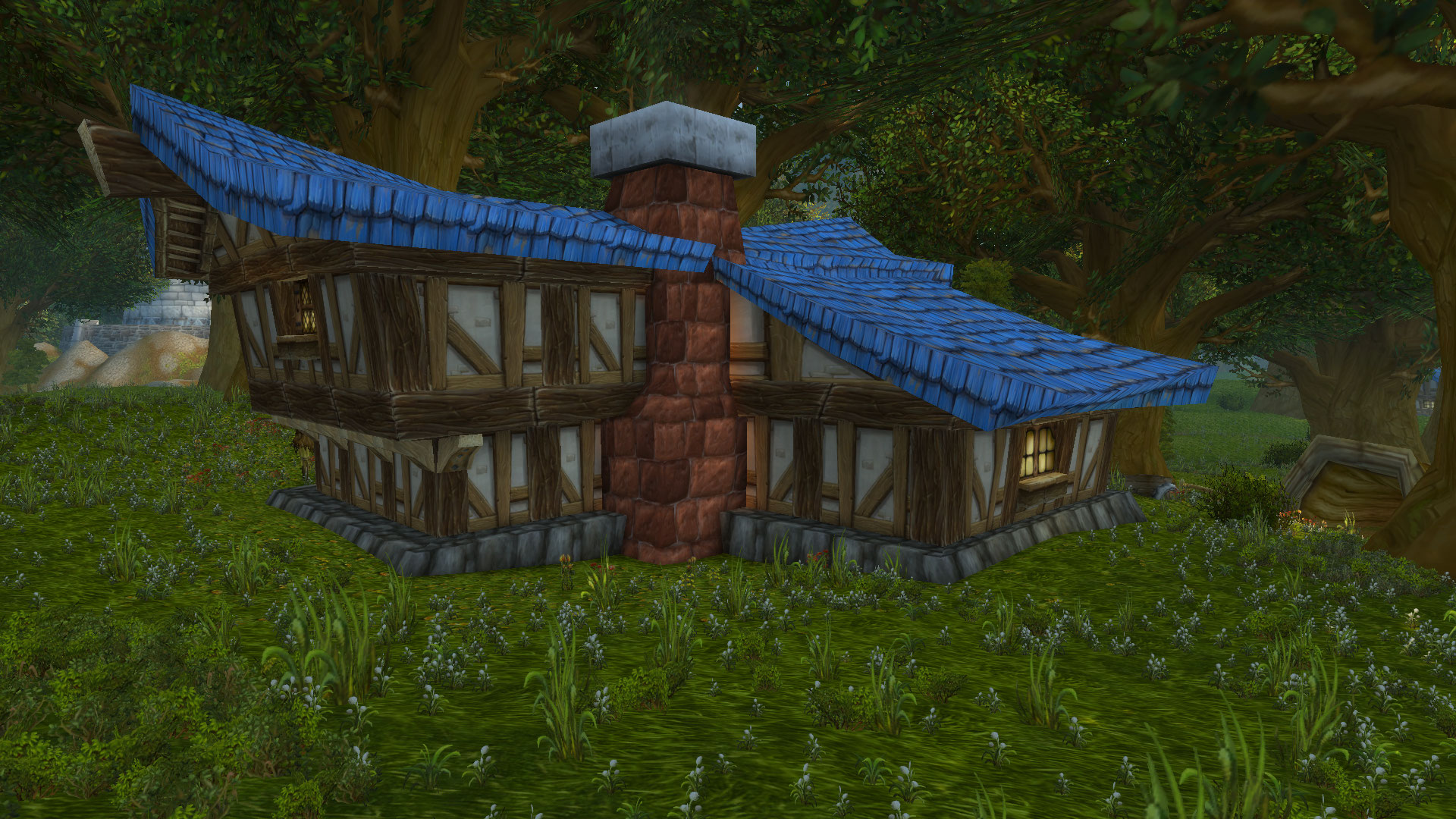
World of Warcraft Classic has rekindled the fascination that many players had for the original game, capturing the essence of a virtual world that feels tangible and immersive. The nostalgia for Classic is rooted not only in its gameplay mechanics but also in the way it fosters a sense of community and connection among players. From the sprawling landscapes of Azeroth to the intricate social interactions, Classic offers a unique experience that resonates deeply with its audience. This guide will delve into key aspects that contribute to the realism of the Classic experience, highlighting the design choices that evoke a sense of persistence and belonging.
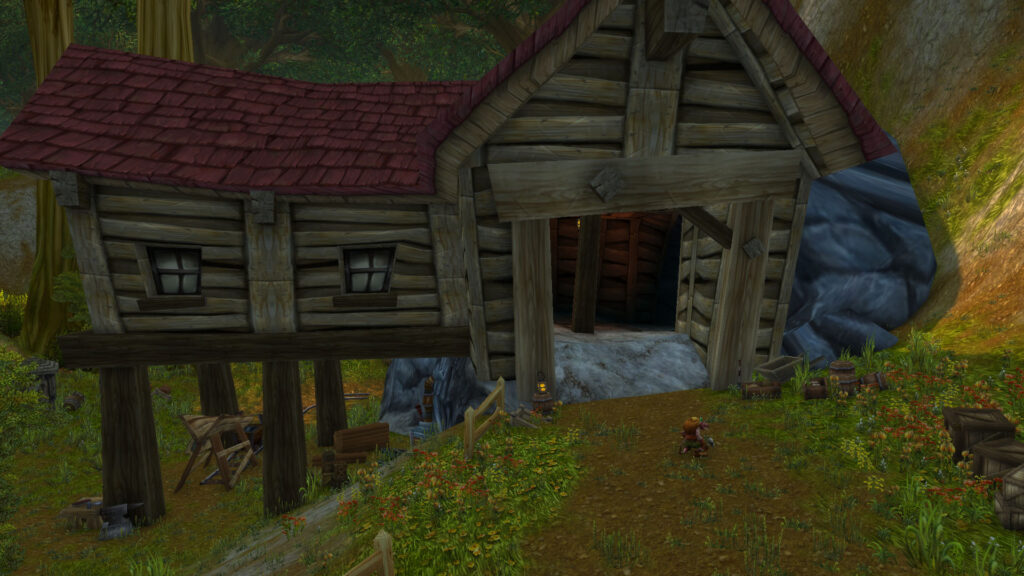
The World Design and Environment
The world design in World of Warcraft Classic is a masterclass in creating an immersive environment that feels alive and persistent. Each zone is meticulously crafted, with distinct aesthetics, lore, and challenges that encourage exploration. Unlike modern iterations, Classic’s zones are interconnected and often require players to traverse vast distances, making travel a significant part of the experience. This encourages players to appreciate the scale of the world and its dynamic nature, as they encounter other players, NPCs, and world events. The design of zones such as Westfall and Hillsbrad Foothills contributes to a feeling of continuity, as players can witness the passage of time through seasonal changes and ongoing quests. Additionally, the presence of player-driven economies in these environments creates a sense of realism that emphasizes the importance of community and cooperation.
Social Interactions and Community
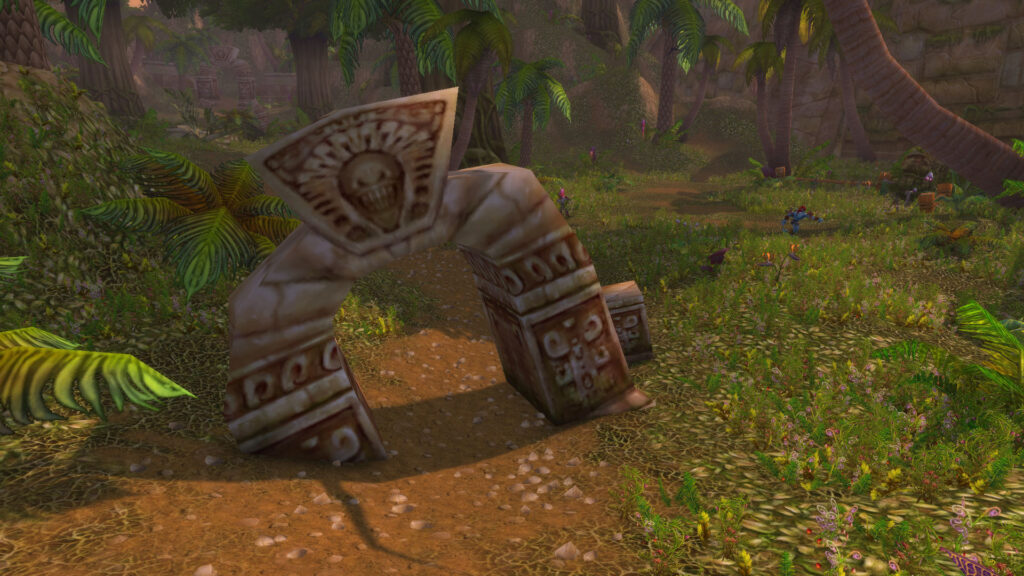
One of the most compelling aspects of World of Warcraft Classic is the emphasis on social interactions and community building. The game encourages players to form relationships through guilds, factions, and friendships, fostering a sense of belonging that enhances the overall experience. Unlike modern gaming environments that often prioritize solo play, Classic thrives on cooperation, teamwork, and shared goals. Players are more likely to engage in group content such as dungeons or raids, where communication and coordination are essential for success. This reliance on social interaction not only develops camaraderie but also leads to the creation of narratives that make the game feel more personal and engaging. The following list outlines key social elements that enhance community in Classic:
- Guilds: Provide a structure for social interaction and resource sharing.
- Trade Chats: Facilitate communication and commerce among players.
- Raid Teams: Foster teamwork and strategic collaboration.
- Cross-Faction Relationships: Encourage alliances beyond traditional boundaries.
Gameplay Mechanics and Challenge
The gameplay mechanics of World of Warcraft Classic significantly contribute to the feeling of a persistent world. The difficulty curve and the necessity of strategic planning in dungeons and raids create an atmosphere of tension and excitement. Players must learn to manage their cooldowns effectively, maintain aggro, and navigate complex mechanics to succeed. The absence of modern conveniences, such as quest markers and streamlined leveling, forces players to engage with the world more deeply. This challenge fosters a sense of achievement and investment in their characters, making the journey feel more rewarding. Below is a table summarizing key gameplay mechanics that enhance the challenge in Classic:
| Mechanic | Description | Impact on Gameplay |
|---|---|---|
| Cooldown Management | Players must carefully time their abilities. | Encourages strategic play. |
| Aggro Control | Tank must maintain threat on enemies. | Promotes teamwork and communication. |
| Resource Management | Players must manage health and mana efficiently. | Increases the stakes in encounters. |
Player Agency and Role-Playing
Player agency is another crucial element that enhances the realism of Classic. Players have the freedom to craft their own destinies, make choices that impact their gameplay experience, and engage in role-playing elements that deepen their connection to the world. The absence of strict linear progression allows players to explore various playstyles, experiment with different classes, and create unique character stories. This freedom nurtures a sense of investment in their avatars, as players appreciate the consequences of their decisions in both PvE and PvP scenarios. The emotional weight of these experiences contributes to the overall persistence of the world, making each character’s journey feel significant and meaningful.
The Enduring Legacy of Classic
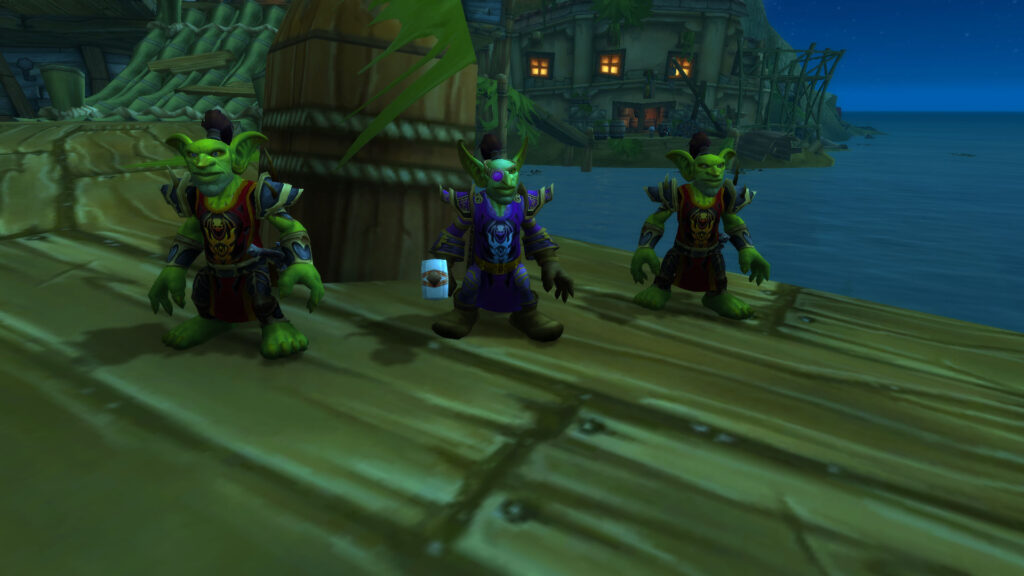
The legacy of World of Warcraft Classic lies in its ability to create a world that feels real and persistent, drawing players into a shared experience that transcends the boundaries of traditional gaming. The combination of world design, community interaction, gameplay mechanics, and player agency results in an environment that invites exploration and immersion. As the game continues to evolve, the core elements that define its realism will persist, ensuring that players remain connected to the world and each other. This enduring legacy speaks to the power of virtual worlds in creating meaningful experiences that resonate on a personal level, solidifying Classic’s place in the hearts of gamers for years to come.