
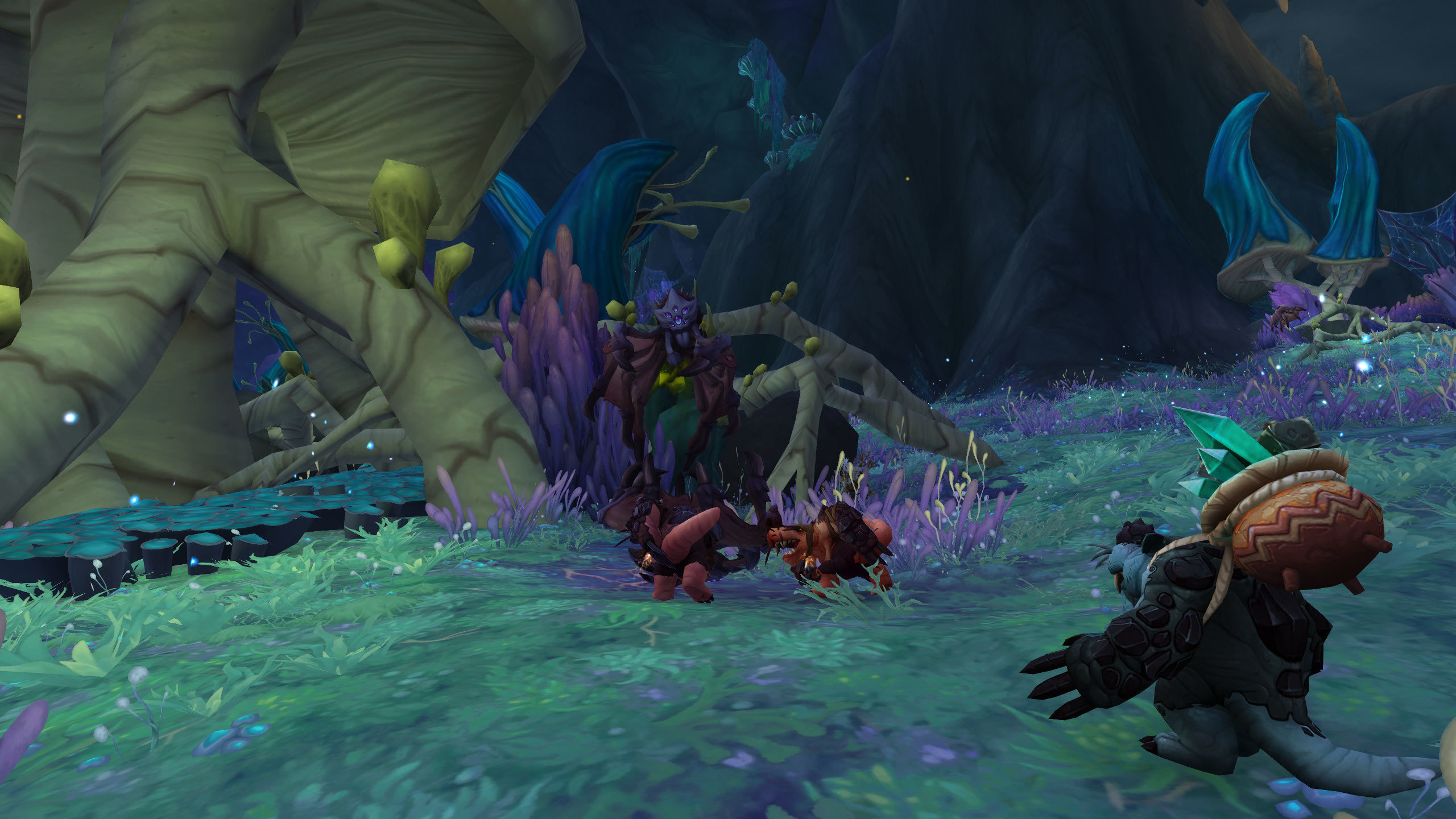
Names in Warcraft aren’t random. Every title, rune, and sigil carries fragments of hidden meaning, reflecting centuries of in-universe lore and developer craftsmanship. From the whispered syllables of Old God names to the runic carvings etched into Titan architecture, Azeroth’s language is a living code—one that connects its history, its people, and even its cosmic forces.
This article deciphers the hidden patterns behind Warcraft’s linguistic and symbolic design, revealing how language itself becomes one of the world’s greatest storytellers.
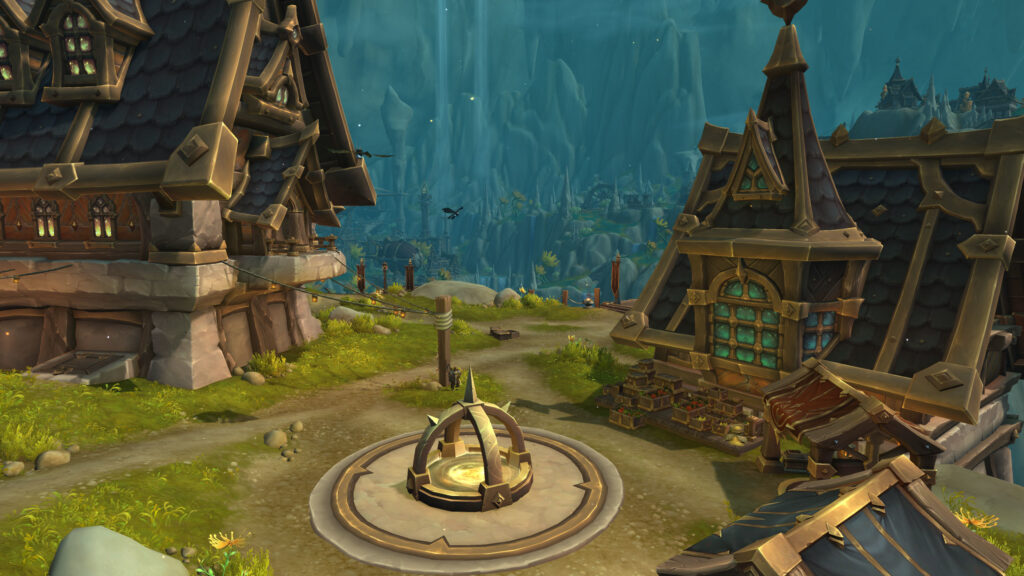
The Power of Naming in Warcraft
Names in Warcraft carry identity, lineage, and philosophy. Orc names often echo guttural strength—Garrosh, Grommash, Draka—while Elven ones like Tyrande or Kael’thas sing with elegance and ancient pride. Each faction, culture, and era has linguistic consistency, reinforcing immersion without overt explanation.
Even boss names often encode their essence: “Deathwing,” “Kel’Thuzad,” and “N’Zoth” instantly communicate dread through sound. Blizzard’s design ensures that a name alone conveys tone, power, and legacy long before you meet the character behind it.
Runes, Glyphs, and Ancient Scripts
Warcraft’s runic systems, from Titan glyphs to Eredar sigils, act as visual storytelling. These symbols often appear on armor, architecture, and magic circles—representing order, power, or forbidden knowledge. While fictional, their structure mirrors real-world linguistics: symmetry for order, spirals for chaos, angular marks for aggression.
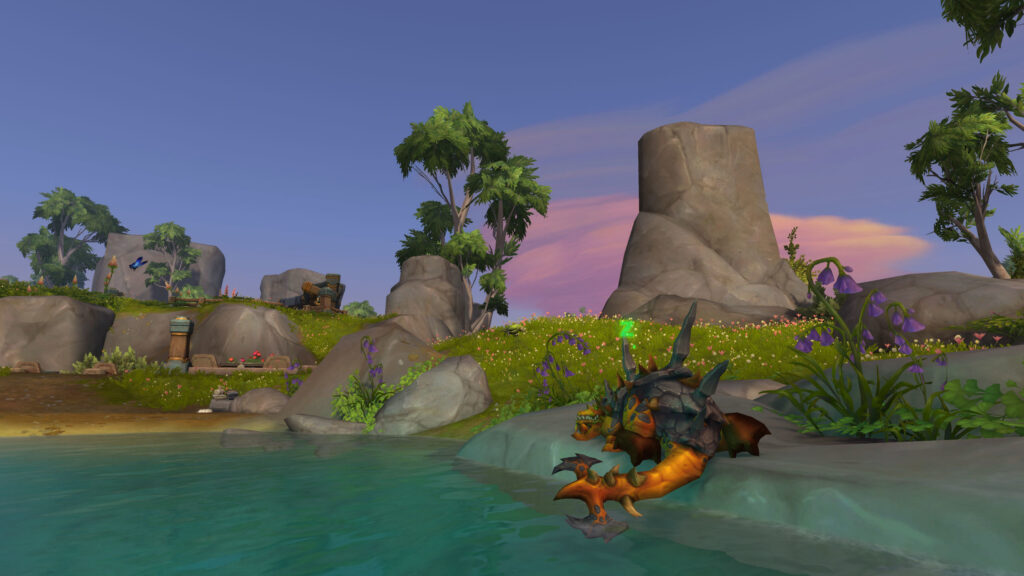
The attention to visual semiotics gives every inscription a voice. Players may not read them literally, but they feel their meaning instinctively—proof that design can transcend words.
Patterns and Hidden Messages
Longtime players have noticed linguistic patterns across expansions, suggesting Blizzard’s deliberate use of etymology and symbology. Consider the recurring “-thas” suffix among High Elves, or the “Ka-” prefix indicating nobility and pride. The game’s language itself becomes a historical record, chronicling migrations, alliances, and corruption through consistent naming schemes.
The table below illustrates some of these recurring linguistic elements and what they signify:
| Element | Example | Associated Meaning |
|---|---|---|
| -thas | Kael’thas, Lor’themar | High Elven nobility and bloodlines. |
| Ka- | Kael, Kalec, Ka’resh | Denotes power, leadership, or divine connection. |
| ’Zoth’ / ’Thun’ | N’Zoth, C’Thun | Old God naming rooted in chaos and corruption. |
| Dr- | Draka, Dranosh | Orcish naming tied to valor and protection. |
These linguistic signatures create continuity that stretches from Classic zones to modern expansions, uniting the universe through subtle repetition.
Symbolism in Faction and Religious Icons
Beyond words, symbols carry enormous weight. The Horde’s crimson emblem evokes primal strength and tribal unity, while the Alliance’s lion crest signifies order and nobility. The Naaru’s radiant geometry contrasts sharply with the chaotic fractals of the Void, reflecting the universe’s ongoing philosophical war between structure and freedom.
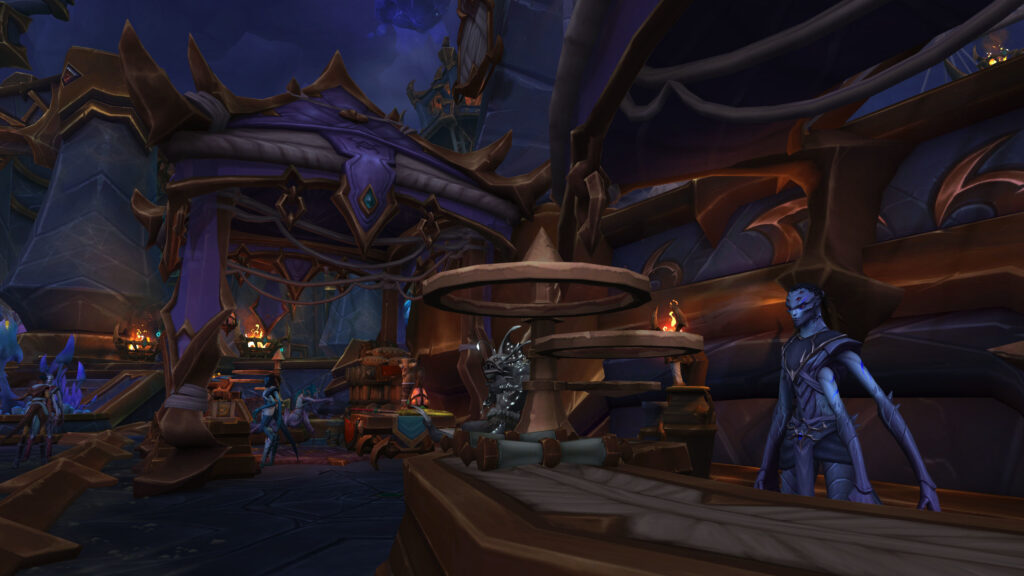
These designs go beyond aesthetics—they encode ideology. Every banner or altar is a cultural thesis rendered in visual shorthand.
Developer Easter Eggs and Real-World Influences
Blizzard’s writers have confirmed that many Warcraft terms draw inspiration from real mythologies and linguistic roots. For instance, “Azeroth” echoes “Azazel,” an ancient Hebrew name linked with exile, while “Elune” resembles “Luna,” the Latin root for moon. Such overlaps lend authenticity and emotional resonance to an otherwise fictional world.
Hidden in these linguistic threads is a bridge between fantasy and human storytelling—an artful fusion that rewards attentive fans with insight and speculation.
The Living Language of the Community
Interestingly, players themselves have expanded Warcraft’s lexicon. Terms like “toon,” “alts,” and “boomy” reflect how in-game communities evolve their own dialects, shaping a secondary culture built atop Blizzard’s original design. This dynamic evolution ensures that the language of Warcraft remains alive, breathing through every player interaction and meme.
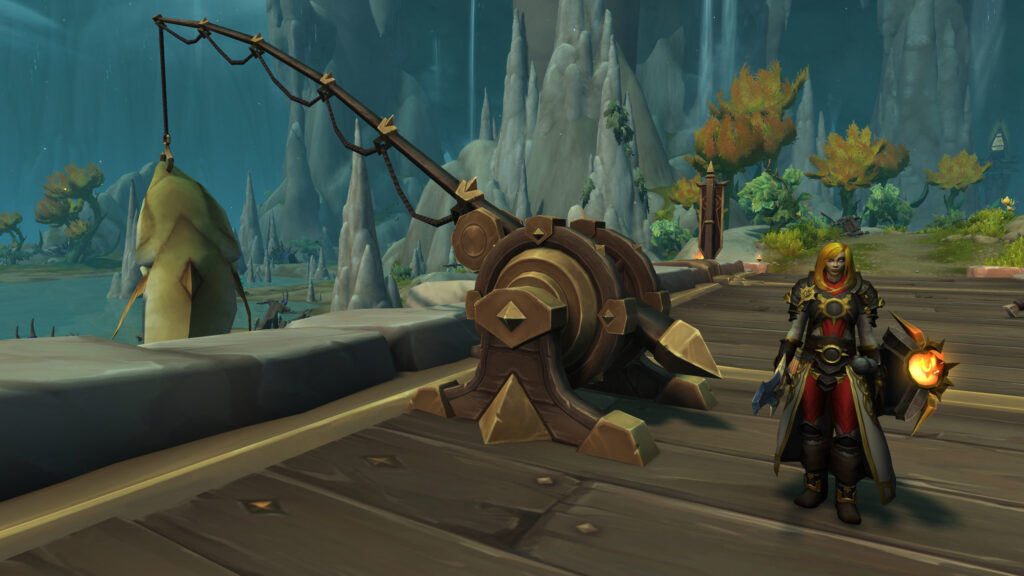
In essence, the community becomes the final author of the game’s ongoing language—a testament to how virtual worlds and human communication intertwine.
Conclusion
Names and symbols in Warcraft are not mere decoration—they’re narrative DNA. Through them, Blizzard encodes centuries of fictional history and emotional depth, linking myth, language, and design into one living tapestry. From the whispered syllables of the Void to the radiant chants of the Light, every name tells a story—and every player who speaks it continues that story anew.
Azeroth speaks in runes, syllables, and banners—and for those who listen closely, its language reveals not just lore, but legacy.